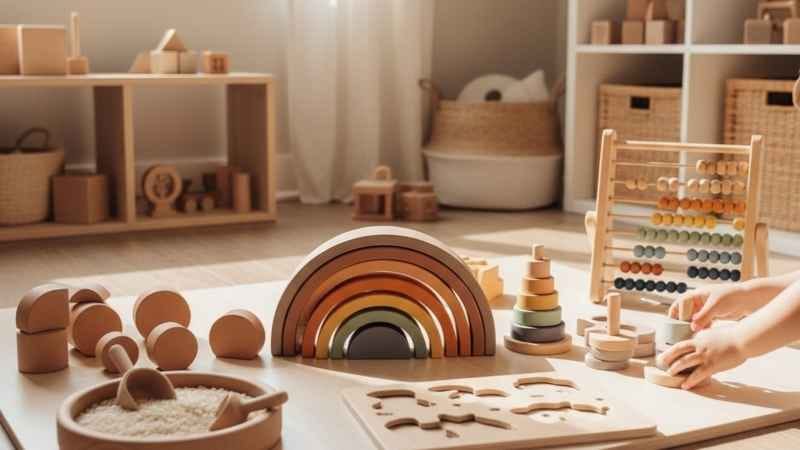
Montessori games are a fantastic way to encourage your child’s growth and development. As parents, we all want the best for our children, especially when it comes to their cognitive abilities. That’s why I’ve always been drawn to Montessori-inspired activities—because they focus on enhancing independence, creativity, and cognitive skills in a natural, enjoyable way. And let’s face it, when it comes to brain development, it’s not just about reading books or flashcards. It’s about engaging them in activities that stimulate their curiosity, spark their imagination, and develop their problem-solving abilities.
If you’ve been on the hunt for fun ways to boost your child’s brain development, you’ve come to the right place! In today’s blog, I’m sharing five Montessori games that do just that, along with how they help your child’s growing brain flourish. And let’s be real, as parents, we can use all the help we can get, right?
Affiliate disclosure:
This post contains Amazon affiliate links. As an Amazon Associate, I may earn a small commission if you buy through my links—at no extra cost to you. Prices and availability can change.
1. Building with Blocks – A Classic for Creativity
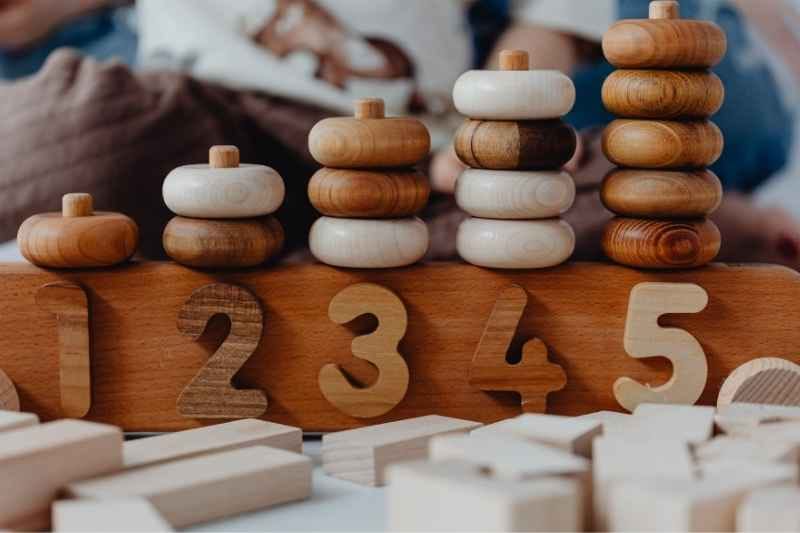
Who remembers spending hours stacking blocks as a child? I certainly do! It’s no surprise that building with blocks is one of the most popular Montessori activities. This simple game may appear to be pure fun, but it’s a fantastic tool for developing fine motor skills, spatial awareness, and problem-solving abilities.
Why It Works:
When your little one stacks, arranges, and sorts blocks, they’re learning about balance, symmetry, and cause-and-effect relationships. Plus, it encourages independent thinking as they figure out how to build something that stays upright.
Tips to Get the Most Out of Block Play:
- Variety is key: Mix up different shapes and sizes for added challenge.
- Incorporate colors and patterns: Ask your child to create specific patterns or designs that incorporate colors and patterns.
- Go beyond stacking: Build bridges, houses, or tunnels to bring their imagination to life.
One of the best Montessori-inspired wooden toys for toddlers is the OESSUF 16pcs Extra-Large Wooden Sorting Stacking Rocks. Perfect for ages 1-3, these safe Montessori toys encourage creativity, fine motor skills, and open-ended play. The smooth, durable wooden stacking stones are ideal for sorting, stacking, and imaginative building. Made with child-safe materials, they are safe, eco-friendly, and perfect for early learning and sensory play.
2. Sorting Games – Categorizing for Cognitive Growth

Sorting games might sound like a simple activity, but they offer enormous benefits for brain development. Whether you’re using colored pebbles, buttons, or even natural materials like pinecones, sorting encourages children to think critically and make connections between different objects.
Why It Works:
This game enhances your child’s ability to identify similarities and differences, a skill that is fundamental to language development, math concepts, and categorizing information. It also strengthens their ability to focus and organize their thoughts.
Montessori Games Sorting Ideas to Try:
- Color sorting: Use different colored items (e.g., buttons or toys) and ask your child to sort them into corresponding piles.
- Size sorting: Sort objects from smallest to largest or by shape.
- Nature finds: Take a walk outside and collect leaves or stones to sort by texture, color, or shape.
Boost your toddler’s Montessori learning with the Rainbow Balls in Cups Toy. Perfect for 3+ years, this wooden matching game helps with color sorting, counting, and fine motor skills. Durable, bright, and engaging — ideal for preschool learning and hands-on play.
3. Practical Life Activities – Simple Tasks, Big Results
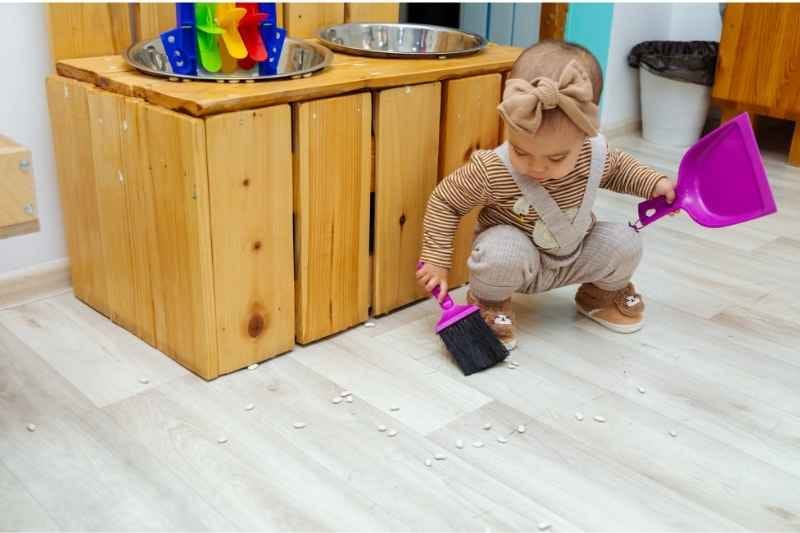
If you’re looking to build essential life skills while stimulating brain development, Montessori-style practical life activities are the way to go. These activities help your child learn how to care for themselves and the environment in a purposeful and age-appropriate way.
Why It Works:
Practical life activities help children develop coordination, concentration, and a sense of responsibility. Whether it’s pouring, sweeping, or washing dishes, they gain confidence in their abilities and learn the importance of self-sufficiency.
Montessori Games Practical Life Activities to Try:
- Pouring water from a pitcher into a cup helps develop hand-eye coordination.
- Sweeping with a small broom: Great for teaching balance and fine motor skills.
- Buttoning shirts or tying shoelaces: Encourages independence and fine motor control.
Introduce your toddler to practical life skills with the Kids Cleaning Set, 8-Piece Wooden Housekeeping Play Set. Perfect for ages 3-6, this Montessori-inspired toy includes broom, mop, duster, dustpan, brushes, rag, and stand — ideal for pretend play, coordination, and independent learning. Durable solid beech wood, safe and eco-friendly.
4. Sensory Bins – Exploration Through Touch

One of the most incredible aspects of Montessori games is the incorporation of sensory play, and sensory bins are a particular favorite in our household. These bins are filled with materials that appeal to your child’s sense of touch, sight, and even smell.
Why It Works:
Sensory play helps establish strong neural connections in the brain, supporting cognitive growth. The more a child explores and manipulates textures and objects, the more their brain is actively engaged.
Sensory Bin Ideas:
- Rice and beans: Fill the bin with different grains, beans, or pasta for tactile exploration.
- Nature-inspired bins: Add leaves, flowers, and small twigs to the bin for a natural sensory experience.
- Water play: Add water and scoops for pouring practice.
Boost your toddler’s fine motor and sensory skills with the Montessori Sensory Bin Tools: 1 Wooden Box + 11 Tools. Perfect for toddlers and preschoolers, this Montessori-inspired set encourages pretend play, sorting, scooping, and hands-on learning. Durable, organized, and designed for hours of educational fun.
5. Montessori Puzzle Play – Sharpening Problem-Solving Skills
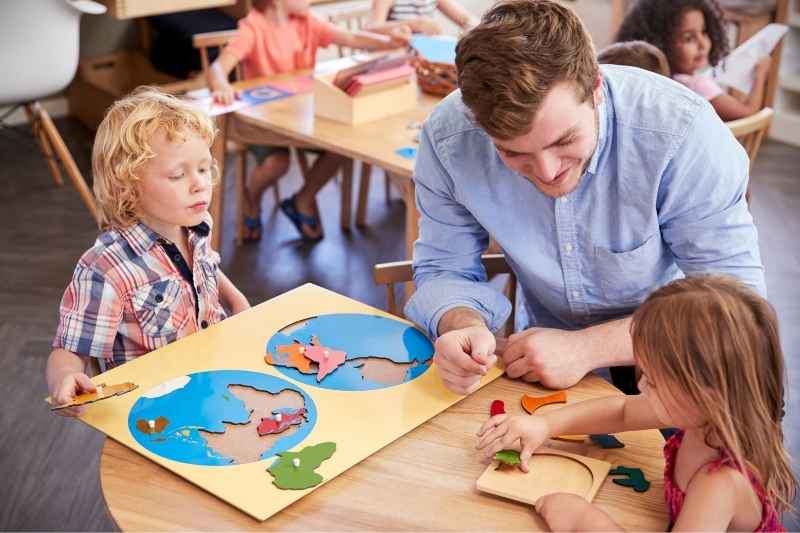
If you’re looking for a game that engages your child’s mind while helping them develop patience and persistence, puzzles are a must. Montessori puzzles are designed with developmental stages in mind, gradually increasing in complexity to challenge your child as they grow.
Why It Works:
Puzzles are excellent for enhancing cognitive skills, including problem-solving, pattern recognition, and memory. Additionally, they offer a sense of accomplishment when your child completes a puzzle, which is beneficial for their self-esteem.
Montessori Games Puzzle Tips:
- Start simple: Begin with wooden shape puzzles that fit into slots.
- Increase complexity: As your child’s skills grow, introduce puzzles with more pieces or images.
- Go for themes: Look for puzzles featuring animals, nature, or numbers to encourage learning along the way.
Boost your toddler’s letter recognition skills with the Melissa & Doug Self-Correcting Alphabet Puzzle (52 pcs) with Toy Storage Box. Perfect for ages 4+, this Montessori-inspired wooden ABC puzzle encourages hands-on learning, problem-solving, and early literacy. Durable, high-quality, and engaging — ideal for independent Montessori play.
Montessori Games: Key Takeaways for Toddlers
The beauty of Montessori games lies in their seamless integration into everyday life, while also enhancing your child’s cognitive, motor, and emotional development. As parents, it’s about providing the right tools and environment for them to thrive, and these five activities are a fantastic starting point.
And hey, don’t forget that your child’s learning journey doesn’t have to be all work and no play. Embrace the joy of watching them grow through play, and you’ll find that their brain development happens in the most delightful ways.
If you’re curious to know how your child’s brain develops in the early years, don’t miss our post on 5 Surprising Facts About Child Brain Development — it perfectly complements these Montessori games. It gives you a deeper understanding of your child’s growth journey.
If you’re interested in creating a space for these activities, I’d highly recommend exploring Montessori-inspired toys and resources. There are some incredible products available that can help bring these activities to life.
Montessori Games: Common Questions Answered
What are Montessori Games?
Montessori Games are educational toys and activities designed to help toddlers and preschoolers develop fine motor skills, cognitive abilities, creativity, and problem-solving through hands-on, self-directed play.
How do Montessori games help my child’s brain development?
Montessori games encourage active engagement, problem-solving, and independent thinking, which foster cognitive, emotional, and motor skills. These games promote curiosity and stimulate neural connections that are crucial for brain development.
What age is best for starting Montessori games?
Montessori games can be introduced at any age, but they are particularly effective for toddlers and preschoolers (ages 2-5), when they are developing essential motor skills, language, and problem-solving abilities.
Can I create a Montessori-inspired space at home?
Absolutely! Add child-sized furniture, natural toys, and open-ended activities that promote exploration and independence. Keep the environment tidy and inviting, and let your child take the lead in their learning.