
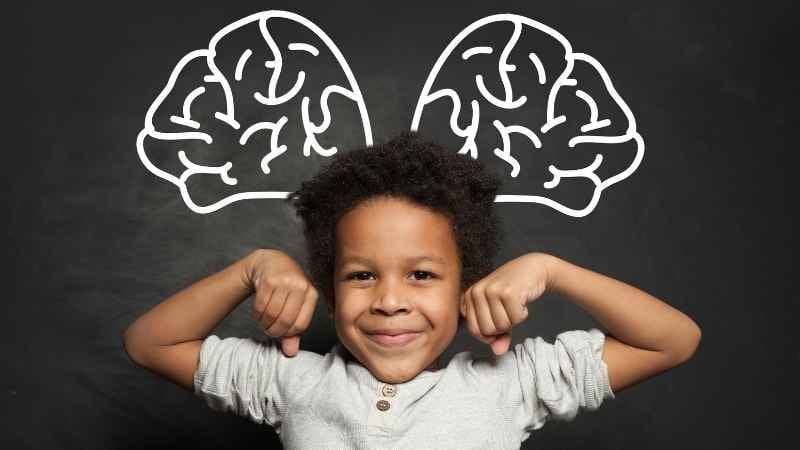
Child Brain Development is genuinely fascinating, and we often find ourselves in awe of our little ones’ ever-expanding curiosity and imagination. Did you know that a child’s brain grows at an extraordinary rate? Early brain development is critical, and understanding how it works can give us valuable insights into shaping their behavior, learning, and emotional growth.
If you’ve ever wondered why your toddler seems to learn new things every day or why they throw temper tantrums without any warning, this post is for you! I’m about to share five surprising facts about child brain development that might blow your mind—and hopefully, make you feel a little more patient and understanding with your little one.
1. The Brain Grows Faster Than You Think
You’ve probably heard that the brain develops rapidly in the early years of life, but let’s break this down. A child’s brain doubles in size during the first year—yes, doubles! By the age of three, their brain has reached approximately 80% of their adult size. This rapid growth means that babies and toddlers absorb information like little sponges, especially during those first few years.
This is the time when your child is forming connections, acquiring language, and absorbing social cues. It’s incredible how quickly these connections can happen! So, if you’ve ever felt that “wow, they’re growing up so fast” feeling, this is why.
2. Early Childhood is a Window for Learning
Have you ever noticed how quickly a child can pick up a new skill or language? It’s not a coincidence. The first few years of life are a critical period for brain plasticity, meaning that your child’s brain is more adaptable and receptive to learning during these early stages.
What does this mean for you? This is the perfect time to introduce activities that encourage learning through play—activities such as building blocks, puzzles, or even simple games like peek-a-boo. These moments are more than just fun; they’re laying the groundwork for future learning!
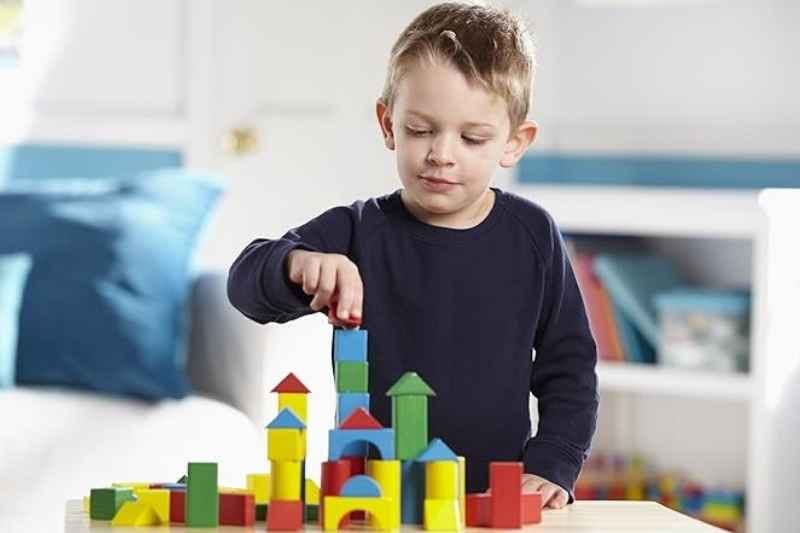
One of the best ways to boost your child’s creativity and motor skills is through open-ended play. Toys that allow stacking, sorting, and building help little ones learn balance, coordination, and color recognition—all while having fun. A classic favorite I absolutely love is the Melissa & Doug Wooden Building Blocks, 100-Piece Set — crafted from durable wood, beautifully colored, and designed to grow with your child. It’s simple, timeless, and perfect for encouraging imagination in toddlers.
Affiliate disclosure:
This post contains Amazon affiliate links. As an Amazon Associate, I may earn a small commission if you buy through my links—at no extra cost to you. Prices and availability can change.
3. Emotions Impact Brain Development
It’s not just about what your child is learning cognitively—their emotional development plays a huge role in their brain’s growth, too. The brain’s emotional centers are developing rapidly during the toddler years, which is why we often see intense emotions (hello, tantrums!) at this stage.
These emotional outbursts are a regular part of brain development. Children haven’t yet fully developed the ability to regulate their emotions, so they often experience feelings like frustration and overwhelm more intensely. This is why consistent routines and a calm, loving environment can make all the difference.
When your child is upset, try to stay calm and supportive—it’s not just good for their emotional health, but it also benefits their brain.
4. Play is Serious Business
You might think of play as something fun that keeps your child entertained, but in reality, play is one of the most important ways your child’s brain develops. It’s not just about having fun (though that’s a big part of it)—play encourages the development of social skills, problem-solving abilities, and even creativity.
Simple activities, such as pretend play or building with blocks, encourage brain development by helping your child practice memory, attention, and spatial reasoning. So, when you see your little one pretend to be a superhero or a chef in the kitchen, they’re doing more than just having fun—they’re strengthening vital brain connections.
5. The Brain Needs Sleep to Thrive
While it may seem like your child is constantly in motion (running, jumping, never sitting still), please don’t underestimate the power of sleep in their brain development. Children need more sleep than adults, and it’s during sleep that their brains process all the learning and experiences from the day.
In fact, during sleep, the brain is actively engaged in consolidating memories and strengthening learning. A solid nap or a whole night’s sleep isn’t just good for your child’s mood—it’s crucial for their overall development.
Tip: Establish a consistent bedtime routine that includes calming activities, such as reading a book or singing a lullaby. It can help ease your child into sleep and support their growing brain.
How You Can Support Your Child’s Brain Development
As parents, we’re in a unique position to shape our child’s brain development. Here are a few simple ways to support your little one:
- Provide a balanced diet with plenty of fruits, vegetables, whole grains, and healthy fats.
- Engage in daily playtime to encourage cognitive and social development.
- Establish a consistent bedtime routine to ensure your child gets a sufficient amount of sleep.
- Stay emotionally present, offering comfort during challenging moments and celebrating their achievements.
Watching your child’s brain grow and develop is truly a wonder. Every new word they say, every game they play, and every emotion they experience is a sign of how their brain is evolving. We can help guide them by creating an environment filled with love, stimulation, and opportunities for growth.
So, go ahead—play that silly game, read that extra bedtime story, and enjoy the ride. It’s all part of the incredible journey of raising a little learner!
Ready to support your child’s growth even further? Want more parenting tips? Visit our Parenting Blog and explore fresh ideas every day.
FAQ
What is the most important thing I can do to support my child’s brain development?
One of the most important things you can do is to create a stimulating environment with plenty of opportunities for play, learning, and emotional bonding. This will help your child’s brain develop in a healthy manner.
At what age does a child’s brain development slow down?
While brain development continues throughout life, the most rapid growth occurs in the first three years. After that, the brain continues to grow and mature, but at a slower pace.
Track your little one’s growth with ease and confidence by exploring Baby Development Milestones: First 6 Months Parents’ Guide — a practical, loving guide for every parent.