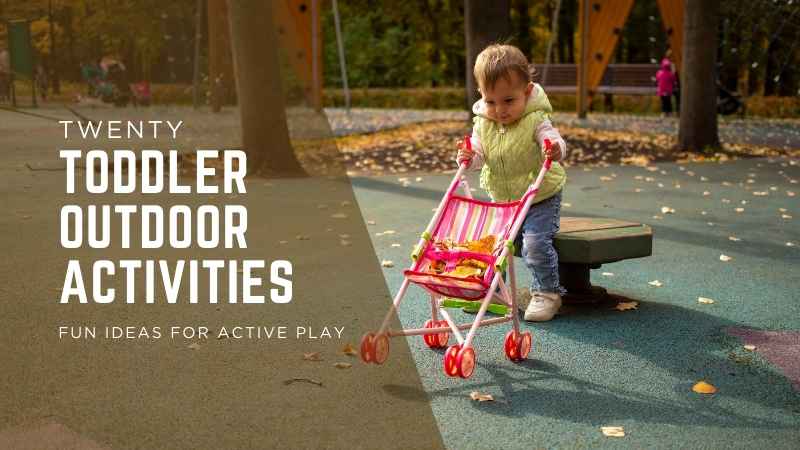
There’s something magical about seeing your toddler run around outside. Whether it’s a cold fall morning or a sunny summer afternoon, seeing your child discover the environment can bring you joy and tranquility. But here’s the thing: Toddlers have boundless energy! How can we direct that energy into something enjoyable and productive? This is where toddler outdoor activities come in!
As mothers, we are constantly seeking methods to keep our children interested, healthy, and entertained. And let’s be honest: it’s not always easy. But I’ve discovered that outside activities are an excellent way to both exhaust them and help them grow. There’s something about the fresh air and freedom of outside play that’s great for them—and us!
In this blog, I’ll share 20 fun and engaging toddler outdoor activities that I’ve tried with my toddler to help them develop physical, mental, and emotional skills. Whether you’re locked inside and need fresh ideas or you’re eager to go outside, these activities will make you happy and laugh. Let’s plunge in!
Why Outdoor Activities Matter for Your Toddler
Toddler outdoor activities are more than just keeping your youngster entertained; they play an essential role in their development. Outdoor play helps toddlers develop motor skills, coordination, and a love of nature, while also allowing them to expend their unlimited energy.
Having a mom, I understand the importance of balancing screen time with real-world play. Outdoor activities promote discovery, social connection, and creativity, allowing your child to connect with the environment in new ways. They help children build muscle, improve coordination, and boost cognitive abilities—all while having fun!
For example, I recall when my kid first began to run. It was a proud moment, and I couldn’t help but encourage him as he sprinted across the yard. Watching him discover the world on his own terms through toddler outdoor activities has been one of the most satisfying experiences. It’s more than just physical play; it’s about creating memories and learning together.
And the best part? Outdoor activities do not need to be complicated. Sometimes the smallest moments can have the most impact on your child’s development. In this article, I’ll show you how easy it is to add enjoyable, enlightening outdoor activities to your everyday routine.
The Day a Butterfly Taught Us a Lesson
A few weeks ago, we decided to go for a casual nature walk, expecting it to be calming and serene. My child had different ideas. He saw a butterfly and began running after it like a little explorer. While chasing it, he tripped and fell into a patch of mud. At first, I panicked about the mess, but then I saw the excitement on his face as he started splashing in the mud puddle.
That incident served as a terrific lesson for me: toddler outdoor activities aren’t about being flawless or being clean. It’s about allowing kids to experiment, have fun, and accept the mess that comes with learning. I joined him on his muddy excursions, and we both laughed so hard. It was a little wild, but it was the sheer delight that only a day of outdoor play can provide.
This experience showed me that outdoor activities don’t have to be complicated to be worthwhile. Sometimes the best moments come when you least expect them. With that in mind, let us discuss some simple, enjoyable ways to get your toddler moving and playing outside!
Toddler Outdoor Activities: Spring & Summer Outdoor Fun
1. Puddle Jumping
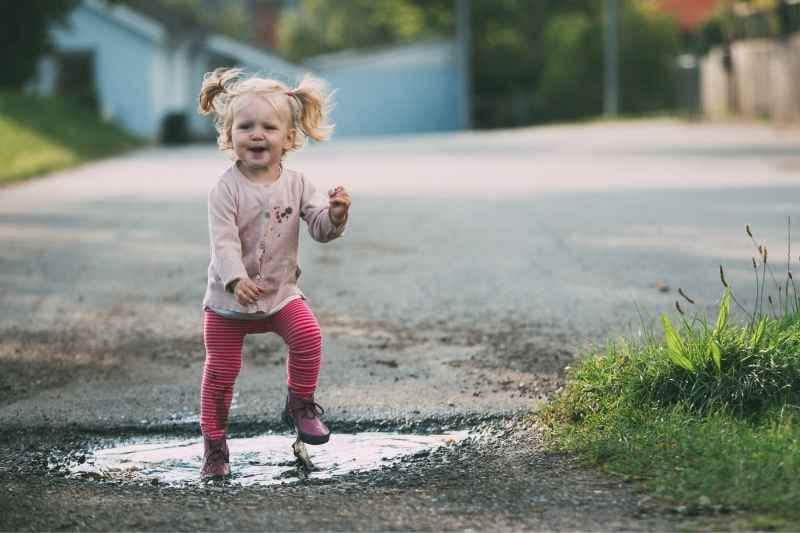
Puddle jumping is a fun outdoor activity that toddlers may do, especially after a rainfall. Kids wear rain boots and jump into puddles, spraying water everywhere. It’s an enjoyable experience that blends play, movement, and sensory discovery. Toddlers can learn vital skills such as balance, coordination, and strength by splashing in puddles, jumping, and racing through the water. The sensory stimulation from the splash, the sensation of the water, and the visual excitement of the rippling puddle make it an appealing exercise for young children. It not only promotes physical activity, but it also helps toddlers gain confidence and enjoy the outdoors. Whether it’s a tiny or large puddle, puddle jumping is an excellent spring and summer exercise for toddlers, making it a memorable and helpful element of their outdoor play.
2. Nature Scavenger Hunt
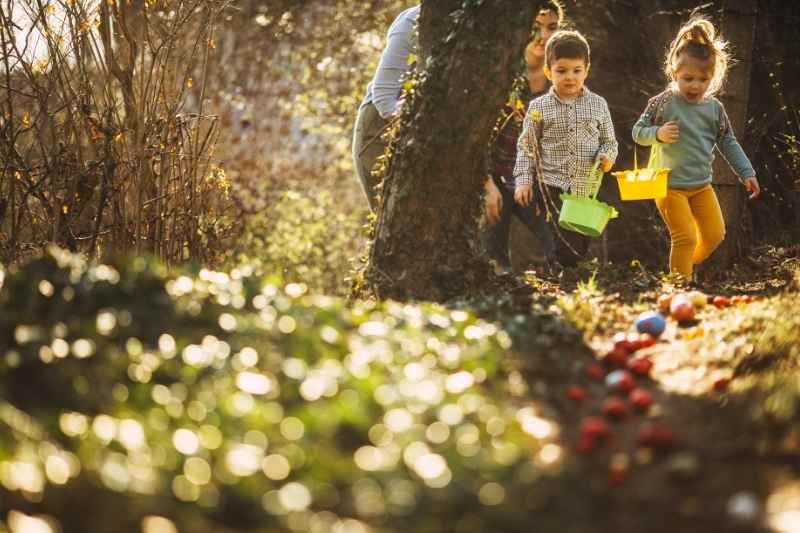
A nature scavenger hunt is a fun and instructive outdoor activity for toddlers that lets them engage with the natural world. To begin, make a simple list of items such as a leaf, a smooth rock, a flower, or a pinecone, and urge your child to find them on a walk through the park or even in your own backyard. Toddlers learn key skills, including observation, problem-solving, and distinguishing various natural items when searching. This activity also expands their vocabulary by introducing new terms such as “feather,” “bark,” and “petal.” The sensory experience of touching different textures and seeing different colors adds to the excitement of the hunt. Aside from these benefits, a nature scavenger hunt promotes curiosity and creativity. Finally, it becomes a great bonding experience as parents accompany toddlers, ask simple questions, and applaud their discoveries, resulting in joyful outdoor memories shared.
3. Obstacle Course
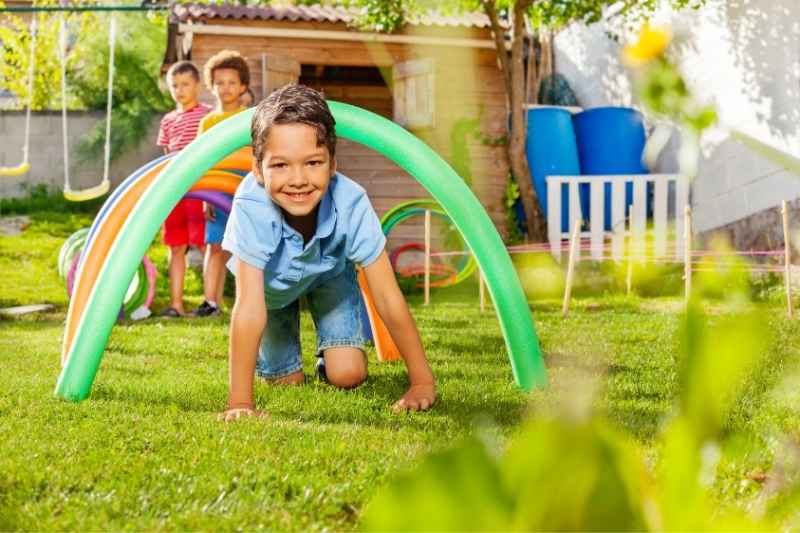
A backyard obstacle course is a fun way to keep toddlers busy and help them develop essential motor skills. To begin, use basic materials such as pillows, cones, blankets, or tunnels to create various difficulties that promote crawling, jumping, balance, and climbing. As toddlers progress through the course, they naturally gain coordination, balance, spatial awareness, and strength. Furthermore, each section of the course might emphasize a particular skill, such as jumping over soft things for agility or balancing on a taped line for stability. Furthermore, variation keeps toddlers engaged and promotes gross motor development. The excitement of completing each section enhances their confidence and sense of accomplishment. Parents can make the activity even more enjoyable by incorporating storytelling elements, such as framing it as a jungle adventure or a treasure hunt. Overall, a backyard obstacle course transforms physical play into a fun, confidence-boosting activity.
4. Bubble Chasing
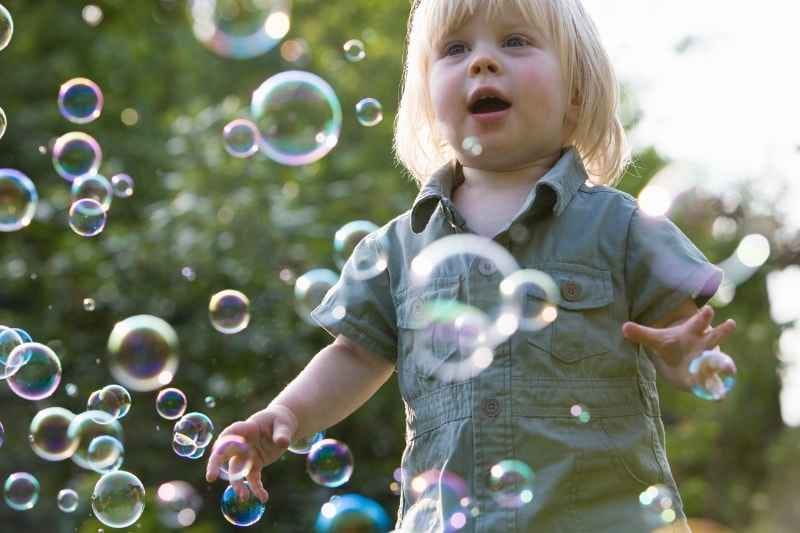
Bubble chasing is a classic outdoor sport that toddlers adore. The sight of floating bubbles immediately draws their attention and fills them with enthusiasm, and they run, leap, and seek to pop them. This practice, whether done with a basic wand or a bubble machine, is both enjoyable and beneficial to critical developmental abilities. Toddlers engage in dynamic movement while chasing bubbles, which improves gross motor skills and balance, coordination, and agility. Additionally, the unexpected movement of bubbles allows kids to practice tracking objects with their eyes, which is necessary for visual-motor coordination.
Furthermore, popping bubbles helps toddlers improve hand-eye coordination and fine motor skills by timing their steps and motions. Beyond the physical benefits, bubble chasing fosters creativity and imagination, allowing kids to create amusing games or to think of bubbles as mystical creatures. Overall, this affordable and straightforward exercise fosters confidence, perseverance, and sheer outdoor joy, resulting in cherished childhood memories.
5. Water Play with a Sprinkler
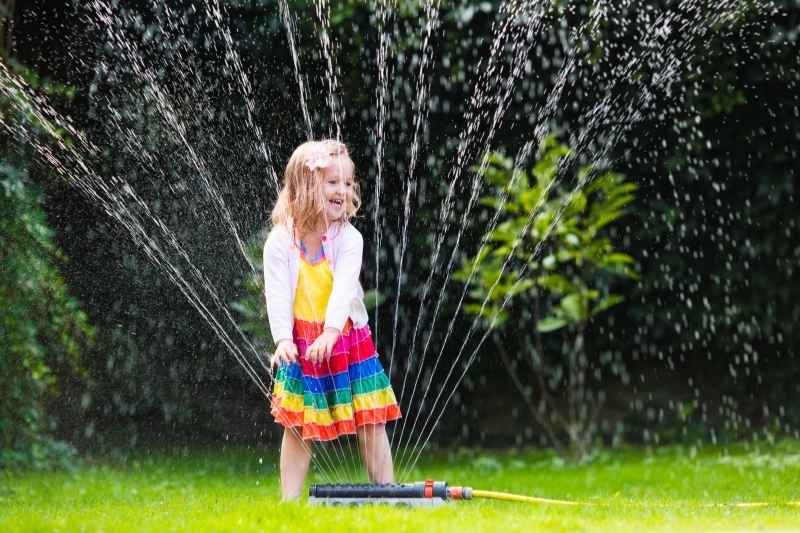
Water play with a sprinkler is a refreshing and thrilling outdoor activity for toddlers on hot days, providing a fun way to stay cool while remaining active. Simply turning on the sprinkler and letting your toddler run, jump, and play in the water provides a fun, engaging experience. As toddlers run through the spray, they receive sensory stimulation from the chilly water on their skin, which helps develop their sense of touch and temperature.
Furthermore, the unexpected movement of the water promotes quick reactions and agility as toddlers attempt to predict where the next spray will appear. Running and leaping under the sprinkler helps to strengthen their legs, enhance coordination, and increase stamina. Moreover, this activity is even more pleasant when other children participate, offering opportunities to develop social skills such as sharing and taking turns. Overall, sprinkler play encourages physical development, sensory exploration, and imaginative play while keeping toddlers cool and content outside.
6. Animal Walks

Animal walks are a fun and meaningful activity that helps toddlers form a peaceful connection with the world around them. As they wander freely outside, they become more aware of nature—the ground beneath their feet, the fresh air, and the life around them. This simple play promotes empathy and humanity in toddlers, encouraging them to develop a sensitive heart. When children learn to appreciate animals, even in their imaginations, they automatically become kinder and more sensitive to all living things. The activity also draws parents and toddlers together, resulting in beautiful moments full of laughing, movement, and shared joy. Toddlers learn to respect nature, care for living things, and appreciate the beauty in their surroundings by expressing themselves via fun motions. Overall, this peaceful experience instills kindness, understanding, and love in toddlers, helping them grow into caring, compassionate individuals while having fun and engaging in active play.
7. Sandcastle Building
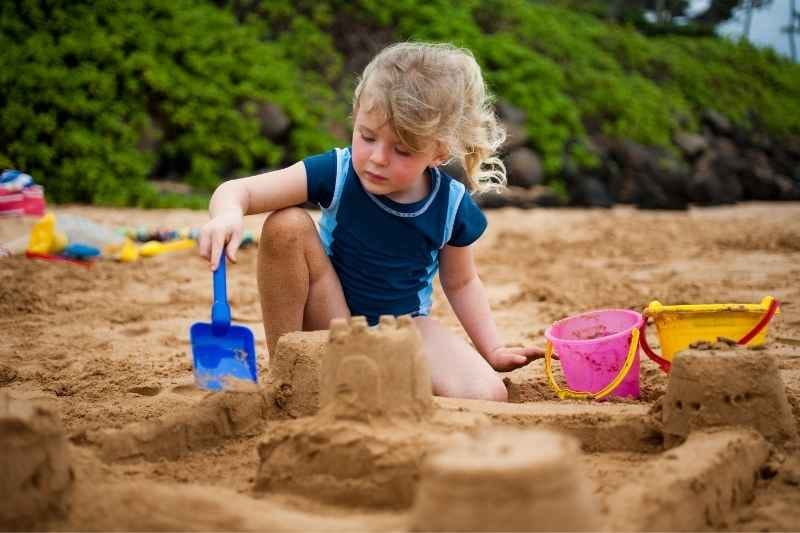
Sandcastle building is a timeless activity that engages a toddler’s creativity while also providing significant developmental benefits. Whether at the beach or in a backyard sandbox, this hands-on activity allows toddlers to experiment with shapes, textures, and inventiveness. Toddlers build fine motor skills and improve hand control while scooping, digging, and moulding sand, which helps develop the muscles required for writing and daily tasks.
The procedure also improves hand-eye coordination as kids shape towers and smooth the walls of their castle. Playing with wet and dry sand promotes sensory development by helping children to experience various textures and learn how things change. Building sand constructions also teaches youngsters spatial awareness, balance, and cause-and-effect—for example, why a tower collapses or how water helps sand keep its shape. Beyond the physical and cognitive benefits, sandcastle building promotes imagination, storytelling, and joyous parent-child interaction, making it a pleasant and enriching outdoor activity for toddlers.
8. Ball Kicking
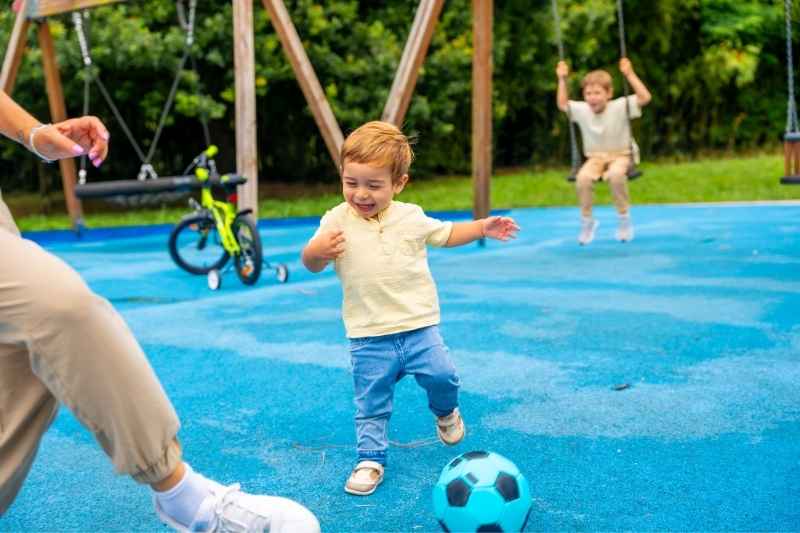
Ball kicking is an exciting, fun sport that toddlers enjoy, making it an excellent way to promote physical development through play. When toddlers kick, chase, and run after a ball, they naturally develop coordination, balance, and leg strength. Learning to time their steps and estimate distance improves spatial awareness while also developing critical gross-motor skills. Tracking the moving ball helps them enhance their visual concentration and general body control. The pleasure of sprinting after the ball improves agility, stamina, and confidence as toddlers practice fast movements and staying active.
Aside from the physical benefits, ball kicking promotes social skills when done with others. Toddlers learn to take turns, collaborate, and engage in friendly interactions, resulting in significant bonding experiences. The exercise can be easily adapted to different ages, such as rolling the ball for younger toddlers or aiming for a modest goal for older ones. Overall, ball kicking is an enjoyable, adaptable, and developmentally beneficial outdoor activity.
9. Picking Flowers or Leaves
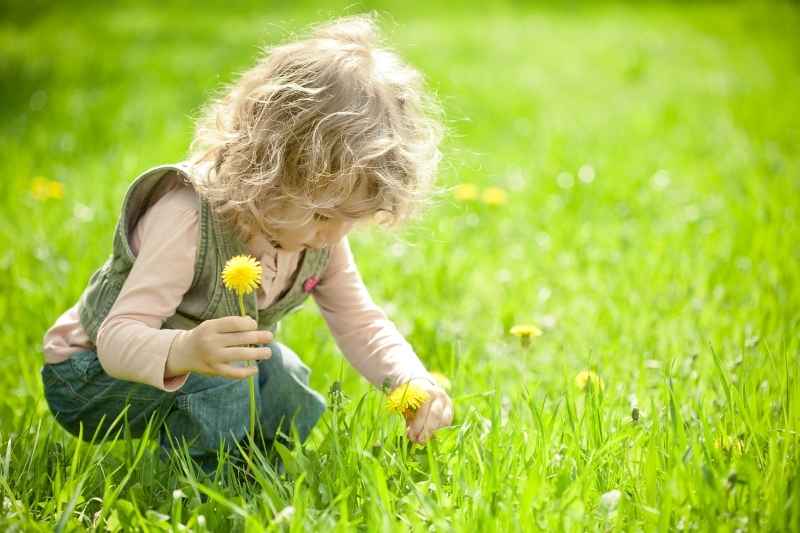
Picking flowers or leaves is a simple yet enjoyable pastime that allows kids to interact with nature while developing vital skills. To begin, bending, stretching, and reaching for flowers or leaves helps to strengthen and coordinate their muscles. Toddlers practice squatting, balancing, and navigating diverse spaces as they move, which supports gross motor development. At the same time, carefully holding petals or leaves improves fine motor skills and enhances the pincer grip.
Furthermore, this exercise provides rich sensory experiences for toddlers, allowing them to feel delicate petals and scratchy leaves as well as observe colors, shapes, and even natural scents. Also, plucking flowers or leaves provides an excellent opportunity to impart early environmental learning. You can discuss different flora, the changing seasons, or why flowers are essential. After gathering, kids can use their finds to make basic crafts like nature collages, which adds creativity to the activity. Overall, this relaxing outdoor exercise promotes learning, sensory discovery, and a greater appreciation for nature.
10. Chalk Drawing
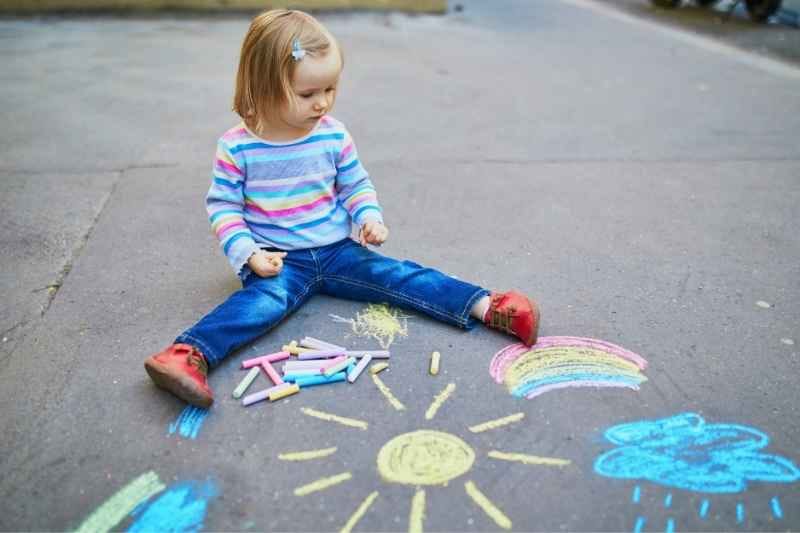
Chalk drawing is a fun and accessible outdoor activity for toddlers that allows them to express their creativity while also improving crucial motor skills. With merely a paved area and a few colorful chalks, children can freely express their imagination and engage in open-air play. Toddlers naturally practice grasping, hand control, and hand-eye coordination when holding and moving chalk, all of which promote future skills such as writing and using utensils.
This activity promotes early learning. You may teach your toddler to draw shapes, letters, or simple patterns, which will help them recognize colors, focus better, and develop pre-writing skills. The flexibility to create increases confidence and problem-solving skills as they determine what to draw and how to bring their ideas to life.
Toddlers bend, crouch, and move across larger areas when sketching in chalk. Because chalk painting washes away easily, every new day offers a chance for creativity and joyful discovery.
Toddler Outdoor Activities: Fall & Winter Outdoor Fun
11. Leaf Pile Jumping
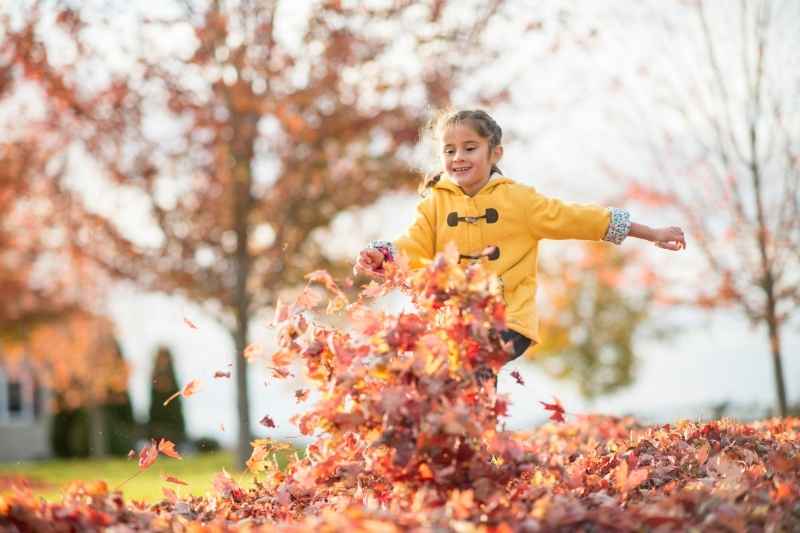
Leaf pile jumping is a fun, energetic fall activity that lets kids enjoy the outdoors while developing vital physical skills. As leaves pile on the ground, they naturally create a play area for children. To begin, rake the leaves into a large mound. Then allow your toddler to run and jump into it. This enjoyable motion strengthens their legs, improves balance, and improves coordination because kids must concentrate on how they land.
Additionally, the action provides rich sensory sensations. Toddlers feel the crunchy leaves, hear the rustling, and breathe in the crisp fall air, all of which help them discover a range of textures and sensations.
Furthermore, leaf pile leaping promotes imaginative play. Kids can think the pile is a mountain or a hiding location, which adds to the excitement. Finally, when done with other children, it improves social skills by teaching turn-taking and cooperative play.
12. Snowball Toss
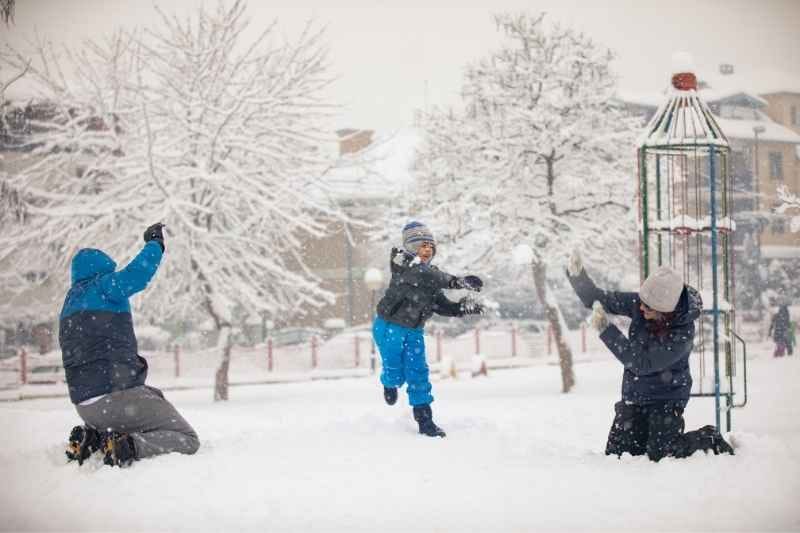
When winter approaches, a snowball toss provides a fun and engaging method for toddlers to enjoy the cold while also developing critical developmental skills. To begin, toddlers gather snow, shape soft snowballs, and fling them at simple targets. This procedure naturally improves hand-eye coordination since they must concentrate, aim, and throw with purpose. As a result, their arm muscles, grip strength, and general precision are enhanced.
Also, snowball tossing promotes gross motor development. Toddlers bend, crouch, and move through slick snow, which improves balance, core strength, and full-body coordination. In addition, the snowy environment offers a rich sensory experience—they may feel the cold snow, hear it crunch, and explore winter textures playfully.
Beyond physical abilities, this activity promotes social contact. Toddlers can take turns, encourage one another, and pursue shared goals. Finally, snowball tossing combines movement, learning, and imagination for a fun winter activity.
13. Sledding
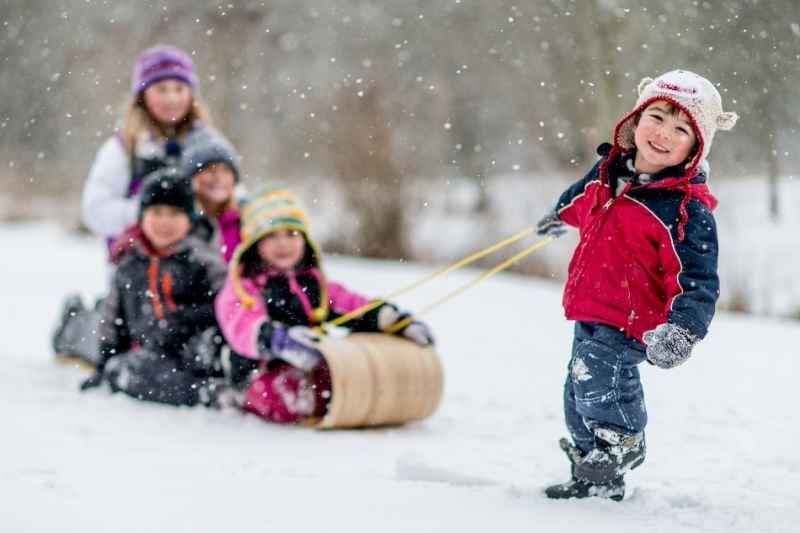
Sledding is an exciting winter exercise for toddlers that provides both outdoor fun and valuable physical development. To begin, sliding down a snowy slope offers infants an exhilarating sense of speed and adventure, making the pastime immediately appealing. Toddlers prepare to ride by using their core muscles to stay upright on the sled, which improves their balance, coordination, and total body control. Additionally, driving the sled by shifting their weight promotes spatial awareness and confidence.
Likewise, the trek back up the hill is excellent exercise. Walking in the snow, pulling the sled, and working against resistance all contribute to building strength, stamina, and cardiovascular fitness. The mix of uphill work and downhill excitement makes sledding both enjoyable and beneficial.
Beyond the physical skills, sledding promotes connection and emotional development—toddlers like laughing together, taking turns, and feeling encouraged by a nearby adult. Finally, sledding combines adventure, activity, and winter joy into a single unforgettable experience.
14. Building a Snowman

Building a snowman is a lovely winter activity that lets kids be creative while staying active outside. To begin, rolling snowballs gives kids a complete body workout. Pushing, lifting, and shaping the snow helps them build their legs, arms, and core while also increasing their balance and coordination. As well, determining how large each snowball should be promotes problem-solving and early spatial awareness.
Once the snowballs have been stacked, decorating the snowman becomes a fascinating fine-motor activity. Toddlers can use a carrot nose, button eyes, or a comfortable scarf to improve hand-eye coordination and pincer grasp. Plus, selecting accessories encourages creativity and helps kids to show their imagination.
Aside from physical skills, making a snowman promotes social bonding and storytelling. Toddlers enjoy calling their snowman and making up stories, which encourages language development. Ultimately, this winter tradition combines learning, creativity, and happy outdoor play to create a memorable holiday experience.
15. Nature Walks with a Twist
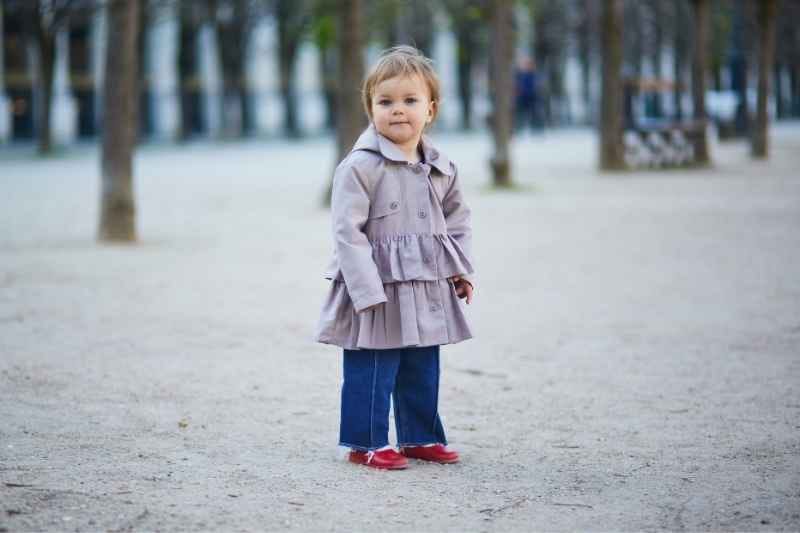
Nature walks with a twist are a great way to keep toddlers interested in the outdoors, even during the winter months. To begin, each season brings fresh sights and textures, making every walk feel like an adventure. Toddlers can look for animal tracks in snow or mud, which helps them develop observation skills and an early interest in wildlife. Additionally, gathering fallen leaves, pinecones, or twigs allows kids to experiment with a variety of textures while honing their fine motor skills.
To make the stroll more interesting, include simple games like “I Spy” or tiny scavenger hunts. Asking toddlers to discover a scarlet leaf, the tallest tree, or a little twig helps them stay focused and active. Meanwhile, discussing seasonal changes—such as why trees lose their leaves or how animals hibernate—makes the walk an enjoyable educational experience.
Finally, nature walks with a twist combine exploration, movement, and sensory stimulation to offer a relaxing, enriching outdoor activity for toddlers.
16. Tire Swing
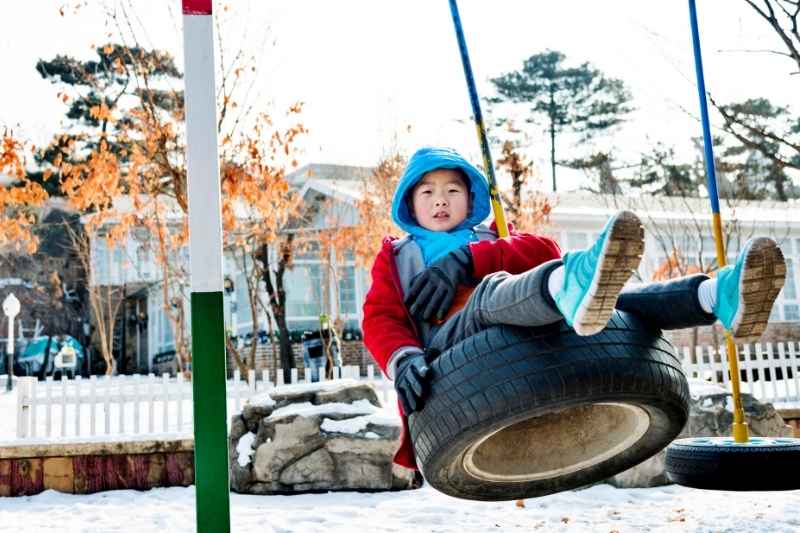
A tire swing is a traditional outdoor activity that children can enjoy even in the cold. Toddlers enjoy the moderate back-and-forth motion, which provides the ideal balance of excitement and relaxation. Toddlers naturally improve their balance and coordination when swinging by stabilizing their bodies. This action improves their core muscles while also supporting the vestibular system, which is necessary for spatial awareness and overall motor development.
The rhythmic motion of a tire swing delivers relaxing sensory input. It can relax children, allowing them to release energy while remaining comfortable. Beyond the physical benefits, tire swings promote camaraderie. Toddlers value the attention and connection provided by parents, whether they gently push the swing or participate in the play.
Moreover, the tire swing encourages imaginative play—toddlers may think they are flying, sailing, or riding an animal. Overall, a tire swing is a warm, enjoyable, and enriching winter activity that promotes both physical and emotional development.
17. Ice Painting
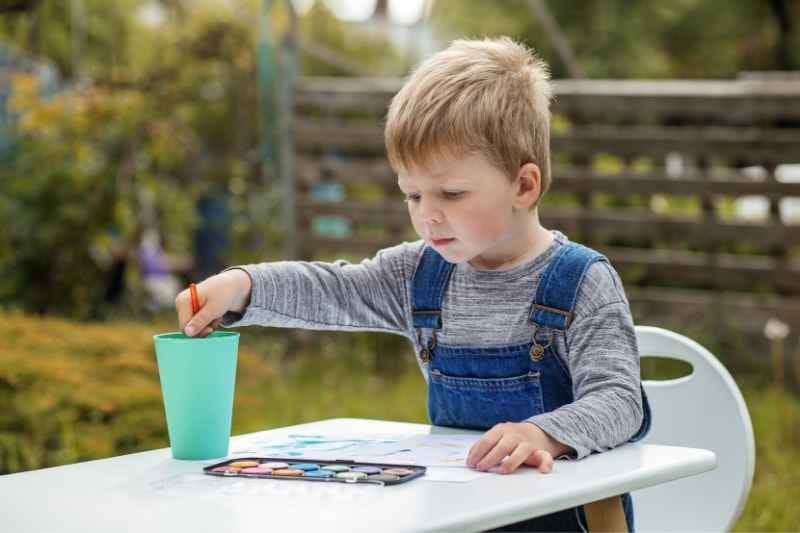
Ice painting is a fun and sensory-rich winter activity that allows children to discover color, texture, and the enchantment of ice. Freezing colored water in ice cube trays produces simple “paintbrushes” that toddlers may use to create bright drawings on snow or outdoor surfaces. The coolness of the ice provides a unique sensory experience, while the melting colors form an ever-changing canvas that keeps children captivated.
Toddlers practice fine motor abilities, hand-eye coordination, and early artistic expression by holding and moving ice cubes. The vivid colors inspire youngsters to experiment with patterns and simple forms, fostering creativity. They also start to observe cause and effect when the ice melts, and streaks of color appear.
Ice painting can be done alone or with family members, making it an adaptable winter activity. It keeps children moving outside while also giving them a fun way to create art during the harsh winter months.
18. Pinecone Hunting
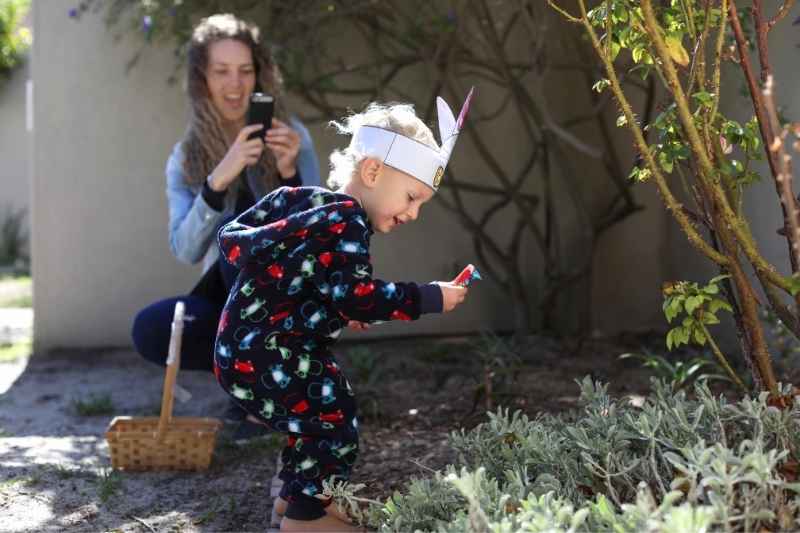
Pinecone hunting is a fun winter game that encourages youngsters to explore nature and enjoy being outside. Pinecones are simple to find throughout the winter months, making the search both enjoyable and gratifying. Walking, bending, and picking up pinecones helps children develop strength, balance, and coordination through natural movement.
Pinecones provide a complex sensory experience. Their rough and bumpy texture enables toddlers to touch, hold, and explore, thereby improving fine motor skills. Each pinecone has a distinct appearance, attracting interest in shapes, sizes, and patterns.
This action also promotes creativity. Toddlers can use pinecones to make basic crafts, paint, or play pretend. They can use them as ornaments, nature art, or miniature “treasures” for imaginative activities.
Pinecone hunting is also a gentle method for children to learn about trees, seeds, and seasonal changes. It promotes observation, patience, and a love of nature. Simple, relaxing, and educational—ideal for cold days.
19. Winter Nature Scavenger Hunt
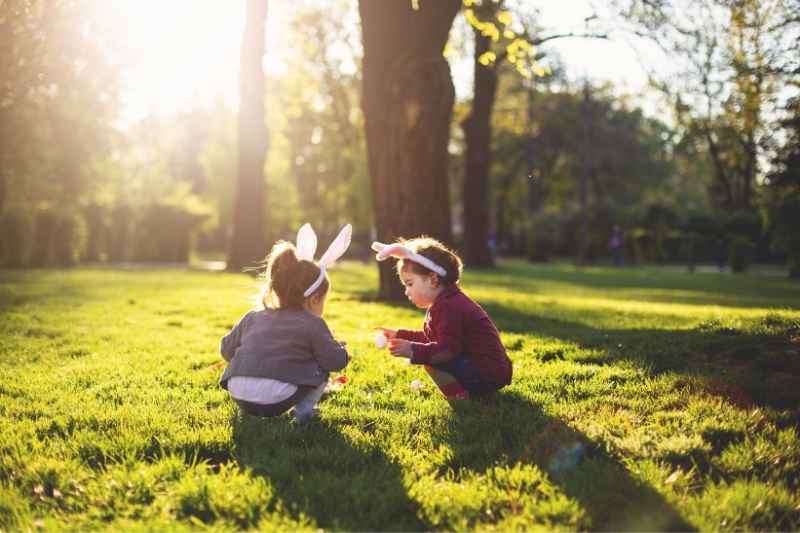
Toddlers may enjoy and learn about the outdoors throughout the winter months by participating in a Winter Nature Scavenger Hunt. As kids look for winter objects like pinecones, evergreen branches, frost on rocks, or animal footprints in the snow, this game transforms a straightforward stroll into an adventure. It encourages children to pay attention to details around them and helps them see how nature changes in the winter.
Toddlers develop their gross motor abilities, balance, and coordination as they walk, bend, and reach for objects. Additionally, looking for every item improves concentration and observation. The objects kids find can be used to teach basic winter principles, including how footprints look in snow or how evergreens stay green. With every discovery, new words like “frost,” “icicle,” or “pine needles” are introduced.
The scavenger hunt is a fantastic activity for teamwork and shared enjoyment because it can be done alone or with family. Easy, dynamic, and full of exploration—ideal for wintertime.
20. Snow Angel Making

Making snow angels is a popular winter activity that delights infants and provides a tranquil way to enjoy the outdoors. When fresh snow falls, toddlers can lie down, stretch their arms and legs, and sweep them through the snow to form an angel figure. This easy movement improves coordination, balance, and gross motor skills while providing a pleasant way to move.
The chilly, silky feel of the snow provides a rich sensory experience. Toddlers can feel the cool snow beneath them, hear the soft crunch as they move, and see how the snowflakes settle around them. These sensations allow individuals to connect with nature during the winter.
Making snow angels also encourages creativity. After building their angel, toddlers might imagine stories or pretend their snow angel has special abilities. Whether done alone or with family, this exercise promotes play, imagination, and pleasant connection in the winter landscape.
To continue supporting your child’s learning journey, explore 5 Montessori Games to Boost Children’s Brain Development for simple and effective brain-building activities.
Toddler Outdoor Activities: Embracing the Joy
When heading outdoors, don’t forget a few essentials! Thinkbaby SPF 50+ Baby Sunscreen keeps your toddler’s skin safe with natural, water-resistant protection. A ZAZE Picnic Blanket (80″x80″) provides a cozy, clean space to sit or play, while the NUK Learner Sippy Cup keeps little ones hydrated with its spill-proof, easy-to-hold design.
There’s something unique about seeing your toddler explore the outdoors, isn’t there? Toddler outdoor activities not only keep your child busy but also promote learning, exploration, and growth. Whether it’s a simple game of puddle jumping or creating a snowman, outdoor play encourages creativity and physical development in ways that indoor hobbies cannot.
This list of 20 toddler outdoor activities inspires you to get outside and enjoy some fresh air with your little one. Remember, it’s not about perfection; it’s about creating memories. For more wonderful moments and parenting suggestions, see my Parenting area for more articles.
Affiliate disclosure:
This post contains Amazon affiliate links. As an Amazon Associate, I may earn a small commission if you buy through my links—at no extra cost to you. Prices and availability can change.
Frequently Asked Questions
- What are some simple toddler outdoor activities?
Simple activities include bubble chasing, puddle jumping, and sandcastle building, which are perfect for toddlers. - How do outdoor activities benefit toddlers?
Outdoor activities help toddlers develop motor skills, improve balance, and foster creativity and social skills. - Can I do outdoor activities in winter?
Yes! Winter activities like sledding, snowball fights, and snowman building are fantastic for keeping toddlers active. - What are the best outdoor activities for toddlers in the summer?
Water play with sprinklers, nature walks, and bubble chasing are all great summer activities. - How can I make outdoor activities safer for toddlers?
Always supervise, make sure the environment is safe, and ensure your toddler is dressed appropriately for the weather.